Category: Personal Care Labels

Custom Label PrintingPersonal Care Labels

Why Eco-Friendly Label Materials Are the Future of Personal Care Packaging

Sustainability is no longer a differentiator — it is an expectation. Personal care consumers, especially those buying clean beauty, organic, and natural products, increasingly evaluate the packaging as part of their purchase decision. A product marketed as eco-conscious but wrapped in virgin plastic with a non-recyclable label creates a cognitive dissonance that erodes brand trust.

The Label’s Role in Sustainable Packaging

Labels are often the overlooked component in sustainable packaging strategies. Brands invest in recyclable bottles and compostable cartons but slap on a conventional pressure-sensitive label with permanent adhesive — which contaminates the recycling stream and renders the entire package non-recyclable in many municipalities.

Sustainable packaging materials for eco-friendly labels

Sustainable Label Material Options

  • Recycled paper stock — post-consumer waste content reduces virgin fiber demand
  • Sugarcane-based BOPP — bioplastic alternative to petroleum-derived polypropylene
  • Stone paper — made from calcium carbonate waste, waterproof without lamination
  • Compostable films — certified industrial or home-compostable substrates
  • Wash-off adhesives — designed to release during the recycling process to avoid contamination

Wash-Off Adhesives and Recyclability

Standard permanent adhesives make containers harder to recycle because the label residue contaminates the recycling stream. Wash-off adhesives dissolve in the alkaline bath used during recycling, leaving the container clean for reprocessing. This is particularly important for glass bottles — a common container for clean beauty skincare brands and artisan food products.

Certifications That Validate Your Sustainability Claims

FSC (Forest Stewardship Council) certification for paper labels, OK Compost for compostable films, and How2Recycle labeling instructions all provide third-party validation. Including these certifications on your label closes the loop — the label material itself demonstrates the sustainability commitment it communicates.

Cost Realities of Sustainable Labels

Sustainable label materials carry a modest premium — typically 10 to 20 percent above conventional equivalents. For brands already positioning on sustainability, this cost is absorbed by the premium pricing their market segment supports. For brands evaluating the switch, consider a phased approach: start with your hero product and expand as volume brings the per-unit cost down. Work with a label printing company that stocks sustainable substrates and can advise on the most cost-effective options for your packaging format.


Align your label materials with your brand values. Start with our personal care label revamp guide and explore sustainable options that strengthen your brand story.

Custom Label PrintingPersonal Care Labels

The Complete Guide to Waterproof Label Printing for Bath and Body Products

A bath and body product label that peels, smears, or disintegrates after a few showers is a branding disaster. Customers equate label failure with product failure — even if the formula inside is exceptional. Waterproof label printing is not optional for this category; it is a baseline requirement that separates professional brands from hobbyist operations.

Understanding Water Exposure Levels

Not every bath product faces the same water exposure. A body lotion encounters occasional splashes. A shower gel lives under direct water stream daily. A bath bomb sits submerged until it dissolves. Each scenario demands a different combination of substrate, adhesive, and ink technology.

Waterproof Substrate Options

  • BOPP (biaxially-oriented polypropylene) — the industry standard for moisture resistance
  • Vinyl — maximum durability for full-submersion products
  • Synthetic paper (Teslin, Yupo) — tear-resistant and waterproof with a paper-like feel
  • Polyester — chemical-resistant and ideal for products with essential oils or alcohol bases
  • Laminated paper — budget option for splash-resistance, not submersion

Adhesive Selection

The substrate means nothing if the adhesive fails. Permanent acrylic adhesives outperform rubber-based adhesives in wet environments. For products that live in the shower full-time — like shampoo and conditioner bottles — specify an aggressive permanent adhesive rated for high-moisture conditions.

Ink Technology for Water Resistance

UV-cured inks offer the best water resistance because the curing process creates a hard, chemical-resistant surface. Solvent-based inks also perform well but raise VOC concerns. Water-based inks — ironically — are the least water-resistant option and require protective overlamination for bath product applications.

Testing Your Waterproof Labels

Before committing to a production run, conduct your own immersion test. Submerge a labeled sample in room-temperature water for 24 hours, then evaluate adhesion, print clarity, and substrate integrity. Repeat the test with warm soapy water to simulate real shower conditions. If the label shows any degradation, the material or adhesive needs an upgrade.

This testing discipline applies across product categories — from beverage labels in ice buckets to condiment labels in kitchen environments.


Give your bath and body labels the resilience they need. Our custom label printing services include material consultation to match the right substrate to your product environment.

Custom Label PrintingPersonal Care Labels

How Custom Labels Help Small Skincare Brands Compete with Big Box Retailers

A small skincare brand sitting on a shelf next to Neutrogena or CeraVe faces an obvious disadvantage in marketing budget, brand recognition, and distribution muscle. But there is one area where indie brands consistently outperform corporate players — packaging that feels personal, intentional, and human. Custom labels are the great equalizer for small skincare brands entering retail.

The Indie Advantage: Authenticity Over Polish

Mass-market skincare labels are optimized for efficiency — they look clean, professional, and completely interchangeable. Walk down any drugstore aisle and the labels blur together. Indie brands win by standing apart — through texture, typography, color choices, and storytelling that a corporate brand cannot replicate without feeling performative.

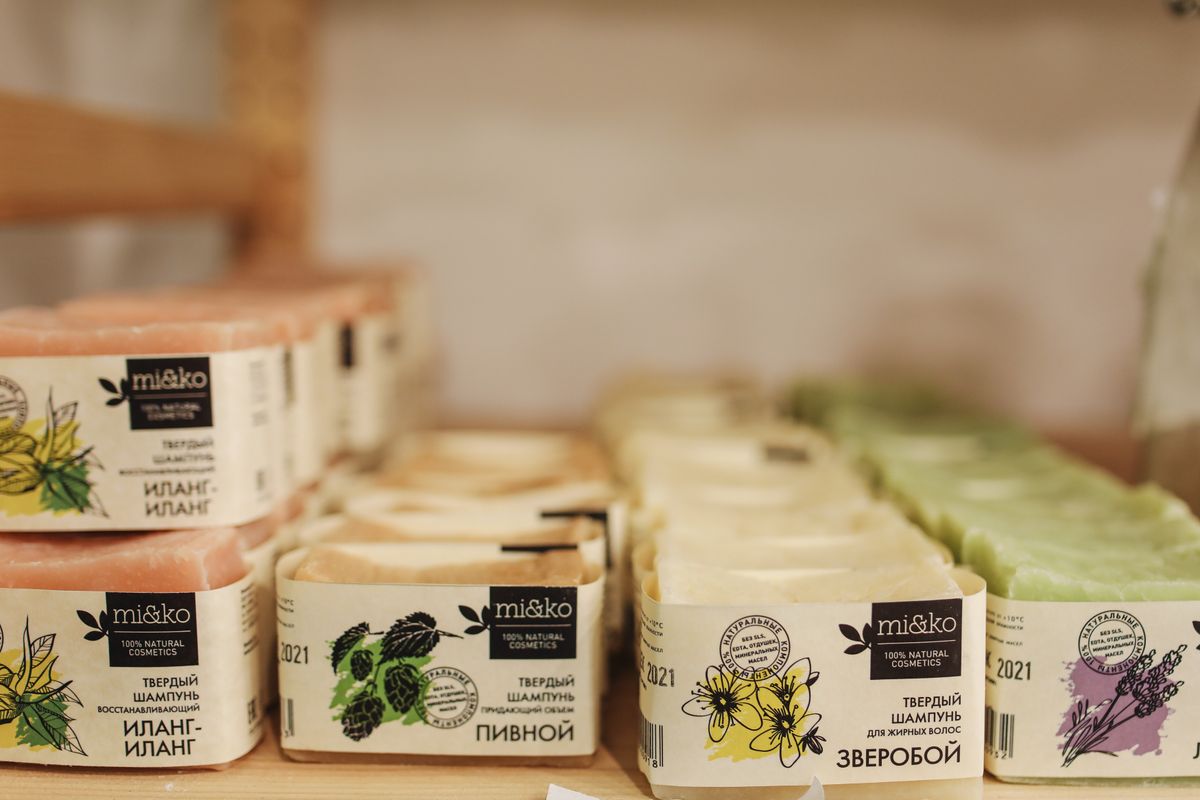
Small skincare brand products with artisan label design

Label Strategies That Level the Playing Field

Investing in clean beauty label design gives indie brands a tangible shelf advantage. Matte finishes, embossed logos, and soft-touch coatings create a tactile experience that mass-market brands rarely invest in at scale. The cost difference per unit is pennies — the perceived value difference is dollars.

  • Soft-touch matte finish that invites handling — customers pick up textured products more often
  • Foil stamping on a single element (logo or product name) for a luxury cue
  • Minimalist front panel that contrasts with the information density of mass-market competitors
  • Transparent ingredient storytelling on the back panel — not just a list, but a brief why for hero ingredients

Print Quality as a Trust Signal

Buyer skepticism is the primary hurdle for unknown brands. A label that feels professional — crisp print resolution, well-registered colors, no adhesive bubbling — signals manufacturing quality even before the product is opened. Partner with a label printing company that delivers retail-grade quality at indie-brand volumes.

Building Retail Relationships Through Packaging

Retail buyers at specialty stores, boutiques, and natural grocers evaluate packaging as heavily as they evaluate formulas. A polished label signals that you are distribution-ready. Our guide for artisan brands transitioning to retail covers the packaging benchmarks that buyers expect.


Your label is your strongest competitive asset against the giants. Start with our personal care label revamp framework and build packaging that earns its shelf space.

Custom Label PrintingPersonal Care Labels

7 Label Design Mistakes That Kill Personal Care Product Sales

You perfected the formula, nailed the scent profile, and sourced ethically produced ingredients — then your sales flatlined. Before blaming the market or the algorithm, take a hard look at your label. These seven design mistakes sabotage personal care products every single day, and most brands never realize the label is the bottleneck.

1. Information Overload on the Front Panel

Cramming every selling point onto the front of the label creates visual chaos. Customers scan — they do not read — at the point of sale. Limit your front panel to the brand name, product identity, one hero benefit claim, and the size. Everything else belongs on the back or side panel.

2. Using Fonts That Sacrifice Legibility for Style

Decorative scripts and ultra-thin typefaces may look elegant in a design mockup, but they become illegible at actual label size — especially on small containers like beard oil bottles and serum droppers. Test every typeface at print size before approving artwork.

3. Ignoring Substrate Compatibility

A gorgeous label design means nothing if the adhesive fails in the shower, the ink bleeds in a gym bag, or the material wrinkles on a curved bottle. Match the substrate to the product environment — that is a conversation your label printing company should initiate, not one you have to demand.

4. Inconsistent Visual Identity Across Product Lines

When each product in your line looks like it came from a different brand, you lose the compounding effect of brand recognition. Develop a label architecture system with fixed and variable elements that scales across every SKU.

5. Neglecting Regulatory Requirements Until Production

FDA requirements for OTC products like sunscreen or dietary supplements can force a last-minute redesign that blows your timeline and budget. Build compliance into the design brief from the start.

6. Choosing the Wrong Finish

Glossy finishes on natural or organic products send a contradictory message. Matte or soft-touch finishes on luxury products can feel flat. The finish is a tactile brand statement — choose it intentionally rather than defaulting to whatever is cheapest.

7. Skipping the Shelf Test

Your label exists in context — surrounded by competitors on a physical or digital shelf. Print a prototype, place it next to your top three competitors, and evaluate from three feet away. This simple test reveals problems that screen mockups miss. For more on building labels that pass the shelf test, explore our clean beauty label guide.


Every one of these mistakes has a fix, and most fixes cost less than living with the status quo. Start your label revamp with a design audit and go from there.