Revamp Your Handmade Soap Labels for Farmers Market Success
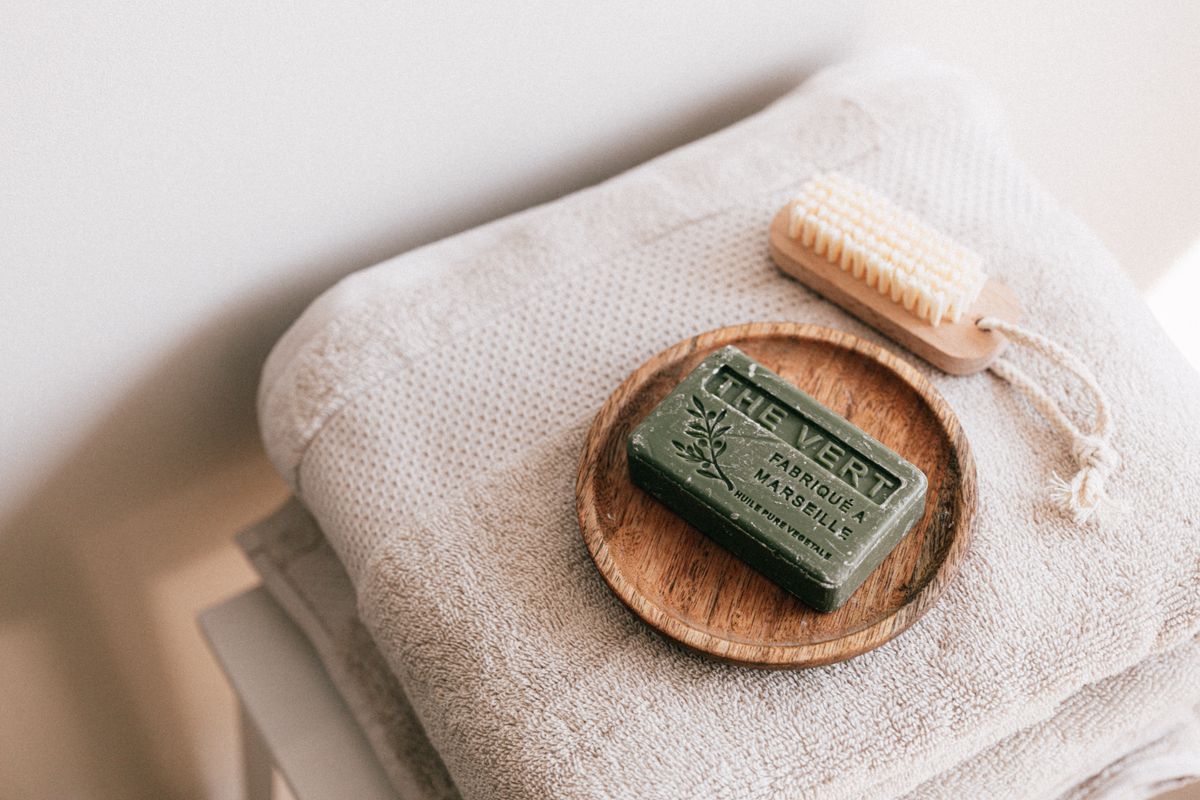
Farmers markets are the proving ground for handmade soap brands. The direct-to-consumer interaction, the tactile browsing experience, and the personal pitch from the maker — these are advantages that no e-commerce listing can replicate. But even in that intimate setting, your label does most of the heavy lifting before you ever open your mouth.
A handmade soap label that looks genuinely artisan — not homemade — creates the perception of value that justifies premium pricing. The difference between a $4 bar and an $11 bar is almost entirely packaging and presentation.
The Artisan vs. Homemade Label Divide
Handwritten labels and inkjet-printed stickers signal hobby-grade production. Customers at farmers markets are willing to pay artisan prices, but they need visual confirmation that the product matches the price point. Professionally printed labels with intentional typography and consistent color palettes cross that threshold.
What Your Soap Label Must Include
- Product identity (e.g., ‘Lavender + Oat Milk Bar Soap’)
- Net weight in both ounces and grams
- Full ingredient list in INCI nomenclature or common names
- Your brand name and contact information
- Any allergen warnings (tree nut oils, essential oils, gluten)
Label Printing for Small Batch Production
Most handmade soap makers produce in batches of 50 to 500 units — a sweet spot for digital label printing. A small-batch label printing company can run short quantities without the setup fees associated with flexographic printing, keeping your per-unit costs manageable as you test new scent lines.
Seasonal and Limited-Edition Label Strategies
Farmers market customers love seasonal offerings — pumpkin spice in autumn, peppermint in winter, citrus blends in summer. Digital printing makes seasonal label variations cost-effective. Design a template with fixed brand elements and swappable scent-specific graphics so you can rotate products without a full redesign each season.
This modular approach works across industries — craft breweries use the same framework to launch seasonal releases without fracturing their visual identity.
Materials That Match the Handmade Aesthetic
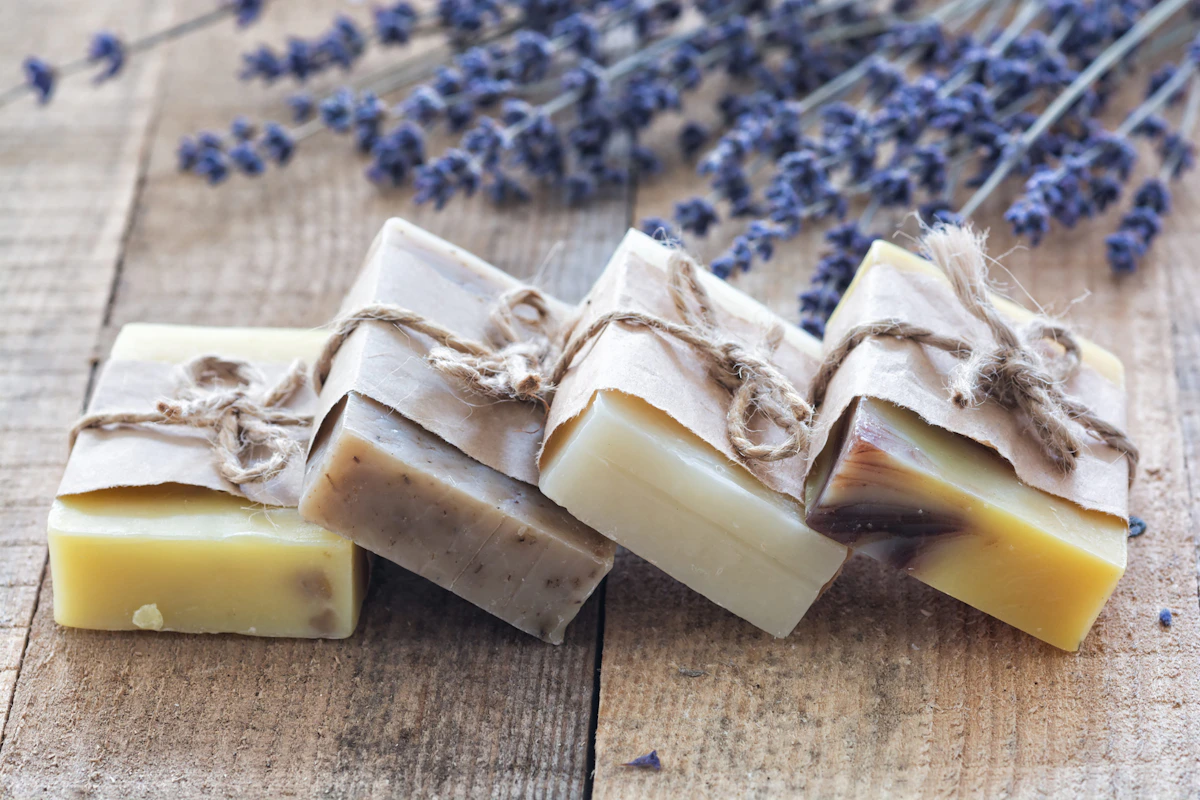
Kraft paper labels, textured linen stocks, and matte finishes all reinforce the artisan positioning. Avoid glossy lamination — it reads as mass-produced, which undercuts the handmade narrative. Consider wrap-around belly bands for bar soaps as an alternative to traditional adhesive labels.
Turn your farmers market booth into a brand-building machine. Our skincare label revamp guide covers visual strategy, and our eco-friendly materials guide helps you choose sustainable substrates.