
Sustainability is no longer a differentiator — it is an expectation. Personal care consumers, especially those buying clean beauty, organic, and natural products, increasingly evaluate the packaging as part of their purchase decision. A product marketed as eco-conscious but wrapped in virgin plastic with a non-recyclable label creates a cognitive dissonance that erodes brand trust.
The Label’s Role in Sustainable Packaging
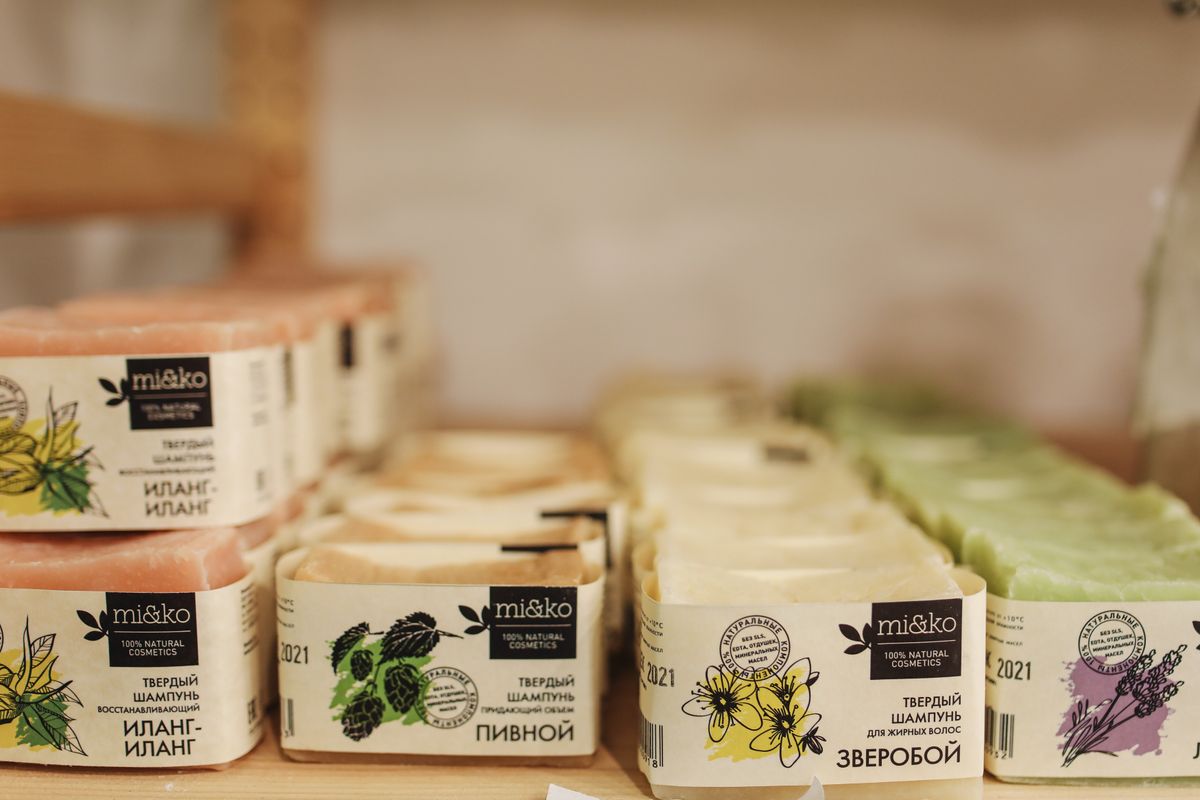
Labels are often the overlooked component in sustainable packaging strategies. Brands invest in recyclable bottles and compostable cartons but slap on a conventional pressure-sensitive label with permanent adhesive — which contaminates the recycling stream and renders the entire package non-recyclable in many municipalities.

Sustainable Label Material Options
- Recycled paper stock — post-consumer waste content reduces virgin fiber demand
- Sugarcane-based BOPP — bioplastic alternative to petroleum-derived polypropylene
- Stone paper — made from calcium carbonate waste, waterproof without lamination
- Compostable films — certified industrial or home-compostable substrates
- Wash-off adhesives — designed to release during the recycling process to avoid contamination
Wash-Off Adhesives and Recyclability
Standard permanent adhesives make containers harder to recycle because the label residue contaminates the recycling stream. Wash-off adhesives dissolve in the alkaline bath used during recycling, leaving the container clean for reprocessing. This is particularly important for glass bottles — a common container for clean beauty skincare brands and artisan food products.
Certifications That Validate Your Sustainability Claims
FSC (Forest Stewardship Council) certification for paper labels, OK Compost for compostable films, and How2Recycle labeling instructions all provide third-party validation. Including these certifications on your label closes the loop — the label material itself demonstrates the sustainability commitment it communicates.
Cost Realities of Sustainable Labels
Sustainable label materials carry a modest premium — typically 10 to 20 percent above conventional equivalents. For brands already positioning on sustainability, this cost is absorbed by the premium pricing their market segment supports. For brands evaluating the switch, consider a phased approach: start with your hero product and expand as volume brings the per-unit cost down. Work with a label printing company that stocks sustainable substrates and can advise on the most cost-effective options for your packaging format.
Align your label materials with your brand values. Start with our personal care label revamp guide and explore sustainable options that strengthen your brand story.





 Custom Label PrintingHiring a specialist would give you some peace of mind knowing the labels would look fantastic and work perfectly under all circumstances. A number of clients who tried to print their own labels had to later turn to professional agencies for their beverage label needs. Here are some benefits of opting for a professional custom label printing company.
 Since these professionals have years of resourceful experience, they better understand the needs and demands of the market. They know what font, calligraphy, and style work and what doesn’t. This way, they can offer quick turnaround time, and also offer modernistic labels that can reach a wider pool of audiences. Hiring a professional company gives you the opportunity to take help from experts to boost your revenue with brand-new beverage labels.